A microloan is essentially a small, short-term loan tailored for individuals and micro businesses with minimal capital needs. These loans are typically offered to self-employed professionals, startups, micro-enterprises, and low-income entrepreneurs who have little or no access to traditional credit. In practice, microloan amounts are much smaller than conventional business loans – often ranging from just a few thousand rupees up to around ₹3 lakh (approximately $3,600) in the Indian context. They are a form of microfinance, intended to support micro-entrepreneurs or underserved communities by providing funding for income-generating activities.
Microloans are usually provided by specialized institutions such as microfinance companies (MFIs), small finance banks, credit cooperatives, or non-banking financial companies (NBFCs) focused on small lending. Even some NGOs and government-backed programs participate in micro-lending. For example, the Government of India’s initiatives like the Pradhan Mantri MUDRA Yojana have enabled banks and NBFCs to offer small Mudra loans to micro-businesses without collateral. Unlike large commercial loans that require extensive paperwork and collateral, microloans are designed to be accessible – they often have simpler application processes and eligibility criteria, making them available to borrowers who may not have formal financial statements or high credit scores. In fact, many people with little credit history or low incomes turn to microloans when they cannot qualify for standard business loans.
How Do Microloans Work for MSMEs?
Microloans are structured to meet the needs of Micro Enterprises by offering quick and convenient financing on a small scale. Here’s how they generally work for a micro or small enterprise:
- Application through Micro Lenders: An entrepreneur approaches a microloan provider – this could be an MFI, a small finance bank, a NBFC, a fintech platform, or even a government scheme channel. The application process is relatively straightforward, often requiring basic KYC, co-applicant details, business and financial income / turnover and profitability details.
- Loan Amount and Terms: The lender evaluates the request and sanctions a loan amount based on the enterprise’s need and repayment capacity. Microloans are short-term by nature – typically the tenure ranges up to 36 months, and at most around 2 years. The loan size is small (e.g. from ₹5,000 to ₹3,00,000 for a slightly larger operation).
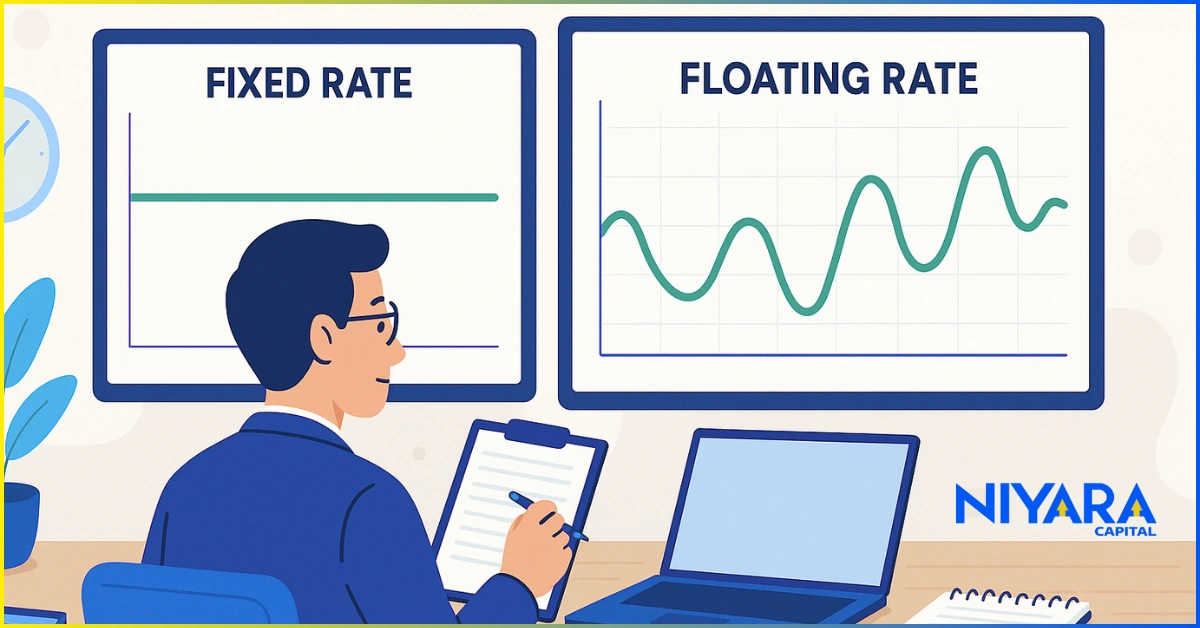
- Interest Rates and Repayment: Microloans usually carry higher interest rates than traditional bank loans. The rates are higher because the lender is taking on more risk by lending to those with little credit history and often without collateral. Repayments are commonly made in frequent installments – weekly or monthly – which helps the small business manage cash flow. For example, some microfinance loans require weekly repayments over 50 weeks, while others offer monthly terms. Consistent, on-time repayment is crucial, as it can help the borrower build creditworthiness for larger loans in the future.
- Use of Funds: Once disbursed, an MSME can use a microloan for various business needs. Common uses include purchasing inventory or raw materials, buying small equipment or tools, meeting working capital needs like paying rent and salaries, launching a new micro-business or even repayment of existing heavy interest debt. The goal is to invest the loan in activities that generate income or improve the business’s operations.
- Monitoring and Support: Many microloan programs provide not just money but also basic support or check-ins. Lenders might conduct field visits or use group lending models to ensure money is used for the intended purpose and to encourage peer support among borrowers. In group microloan models (like Joint Liability Groups), small entrepreneurs borrow in groups and guarantee each other’s loans, fostering accountability.
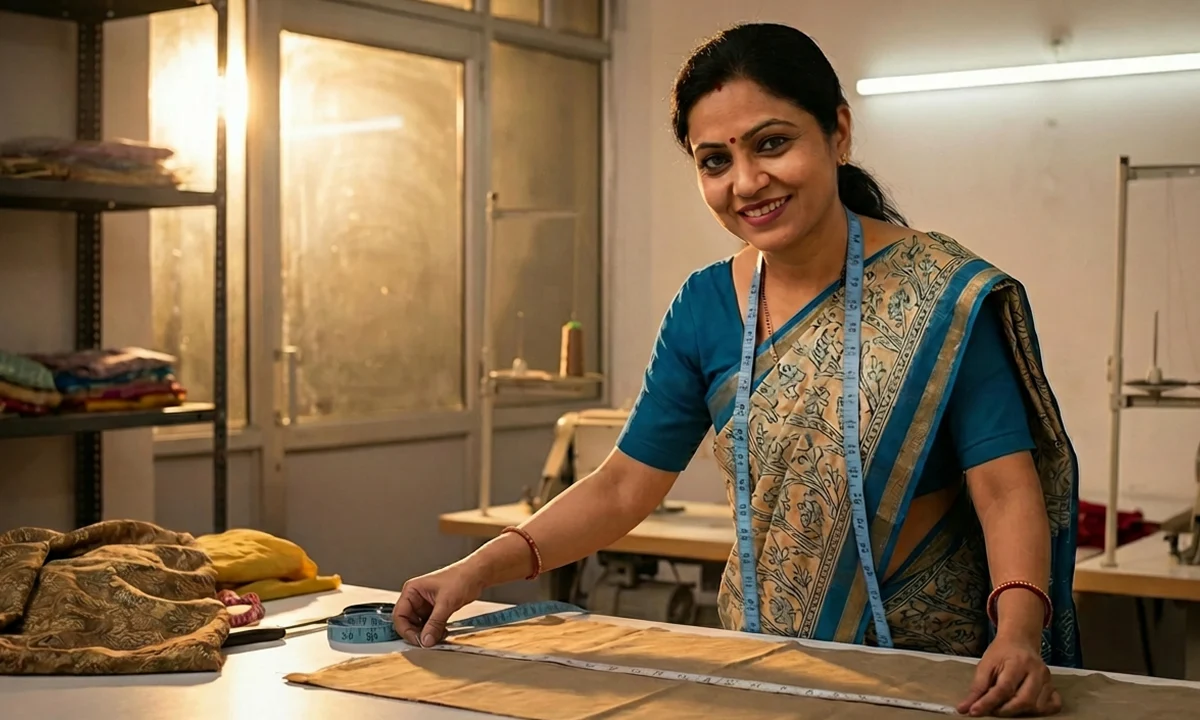
Hypothetical Example: Consider a micro-entrepreneur who runs a tailoring shop in a small town. She needs ₹40,000 to buy an additional sewing machine and extra fabric to fulfill growing orders, but she has no collateral and limited credit history. A microloan from a local microfinance provider can give her the ₹40,000 quickly without any asset security. She can invest in the machine and materials, increasing her production and income. The loan might be structured over 12 months with monthly installments. With the increased revenue from the new machine, she manages to repay the loan on time while expanding her business. This simple scenario illustrates how a microloan can act as a catalyst for a tiny enterprise – providing the initial push that helps a business grow when conventional means may not be a efficient option.
Benefits of Microloans for MSMEs
Microloans bring several advantages to micro and small enterprises, which in turn foster broader economic and social benefits:
Inclusive Access to Credit: Microloans improve financial inclusion by giving entrepreneurs who lack collateral or formal credit history a chance to borrow capital. Instead of being locked out of the banking system, small shop owners, artisans, and traders can secure funds to sustain or expand their businesses.
- Working Capital & Business Growth: For many MSMEs, even a modest amount of credit can make a big difference. A microloan can help maintain cash flow during a slow season, purchase a critical piece of equipment, or stock up inventory to meet a large order. Such timely infusion of funds enables small businesses to grow revenues and profits, creating a positive cycle of growth. In aggregate, these loans support entrepreneurship and job creation at the grassroots level, as many micro enterprises use the funds to expand operations and even hire additional help.
- Collateral-Free Support: Most microloans are unsecured, meaning borrowers do not need to pledge property or assets (more on this below). This is a game-changer for micro-enterprises that often have no valuable assets to offer. By availing collateral-free credit, a tiny business can get started or stay afloat purely based on the viability of its idea and the promise of future income. Government-backed schemes and credit guarantees further encourage lenders to extend such loans, knowing that small businesses desperately need them.
- Empowering Underserved Communities: Microloan programs frequently target underserved groups – for example, women entrepreneurs, rural business owners, and minorities. In India, a large proportion of microfinance borrowers are women, who invest the loans in cottage industries, farming, or local trade. By enabling vulnerable populations to become self-employed and generate income, microloans contribute to poverty alleviation and community development.
- Building Credit History: Small entrepreneurs who successfully repay microloans can start building a credit record, which may open doors to larger loans from mainstream financial institutions down the line. A microloan is often the first formal loan for a micro-business; by demonstrating repayment discipline, the business owner can improve their creditworthiness. Over time, this can help transition MSMEs from relying solely on microfinance to accessing bigger growth capital from banks or investors. In this way, microloans act as steppingstones that integrate informal businesses into the formal financial ecosystem.
Unsecured Microloans for MSMEs (Collateral-Free Financing)
One key feature that makes microloans attractive (and feasible) for Micro Enterprises is that they are usually unsecured – no collateral is required. Traditional lending systems often ask for significant collateral (such as property, fixed deposits, or other assets), which most small entrepreneurs in “Bharat” (rural and small-town India) simply do not have. This lack of collateral has been a major reason why many of the Indian MSMEs have no access to formal credit. Microloan providers address this gap by extending collateral-free loans based on the borrower’s character, business plan, or group guarantees instead of physical assets.
For example, under India’s Mudra scheme, micro loans up to ₹50,000 fall under the Shishu category and are offered without any collateral to micro-enterprises. The idea is to encourage banks and NBFCs to lend to very small businesses by removing the hurdle of security. Similarly, most microfinance institutions lend to joint liability groups of borrowers where peer support and pressure substitute for collateral – if one member defaults, others in the group are collectively responsible, which incentivizes everyone to repay on time. This model has enabled even impoverished borrowers to access funds for starting tiny ventures.
The trade-off for being unsecured is that microloans carry higher interest rates (as mentioned earlier) to compensate for the lender’s risk. Lenders may also enforce disciplined repayment schedules and frequent check-ins. Despite the cost, for many micro-businesses an unsecured microloan is far preferable to the alternatives – either not getting a loan at all, or borrowing from an informal lender at astronomical interest. By availing an unsecured microloan, an MSME can obtain fast, hassle-free capital without risking personal assets, which can be lifesaving for a business in need. As the micro enterprise grows and establishes a track record, it can gradually move to larger, possibly secured loans, but microloans provide that critical initial lifeline when no one else will finance them.
Microloans have proven to be a powerful tool in enabling the smallest of businesses to survive and thrive. They demonstrate that even hypothetical small amounts of credit – a few thousand rupees in the right hands – can yield very real socio-economic gains. By fueling tiny shops, farms, and workshops across the country, microloans help in reducing the MSME credit gap and driving inclusive growth. Recognizing this, new-age financial companies like Niyara Capital Solutions are focusing on providing innovative credit solutions to India’s micro and small enterprises. Such companies aim to leverage technology and localized insight to make unsecured microloans for Micro Enterprises more accessible and affordable, thereby empowering the “micro” heroes of the Indian economy. In the coming years, expanding microloan offerings and tailoring them to MSME needs will be key to unlocking the full potential of this vibrant sector and ensuring that no viable business idea remains unfunded due to its size.
Sources:
Disclaimer
The information above is for general educational purposes and does not constitute financial, investment, tax or legal advice. Always consult a certified financial adviser or your lending institution before making borrowing decisions. Neither the author nor Niyara Capital Solutions is responsible for any loss arising from the use of this information.